Buy swimrun.eu ?
We are moving the project
swimrun.eu .
Are you interested in purchasing the domain
swimrun.eu ?
domain@kv-gmbh.de · 0541-91531010
Buy swimrun.eu ?
How long should one charge the Samsung Gear S3?
The Samsung Gear S3 typically takes about 2-3 hours to fully charge from 0% to 100%. It is recommended to charge the device until it reaches 100% to ensure optimal battery performance. Overcharging the device can potentially decrease the battery's lifespan, so it is best to unplug the charger once the device is fully charged. It is also advisable to use the original charger and cable provided by Samsung for the best charging results. **
How long should one charge the Samsung Gear S3 for?
The Samsung Gear S3 typically takes about 2-3 hours to fully charge from 0% to 100%. It is recommended to charge the device until it reaches 100% to ensure optimal battery performance. Overcharging the device can potentially reduce the battery's lifespan, so it is best to unplug it once it is fully charged. **

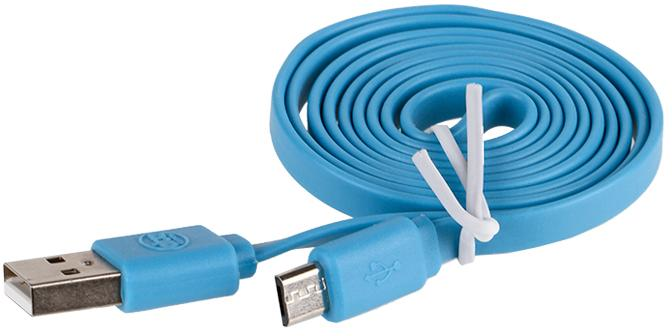
Similar search terms for Charge
Top-Angebote
Products related to Charge:

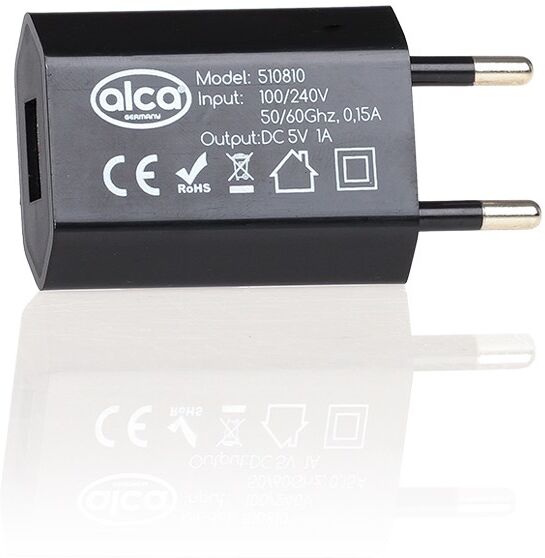
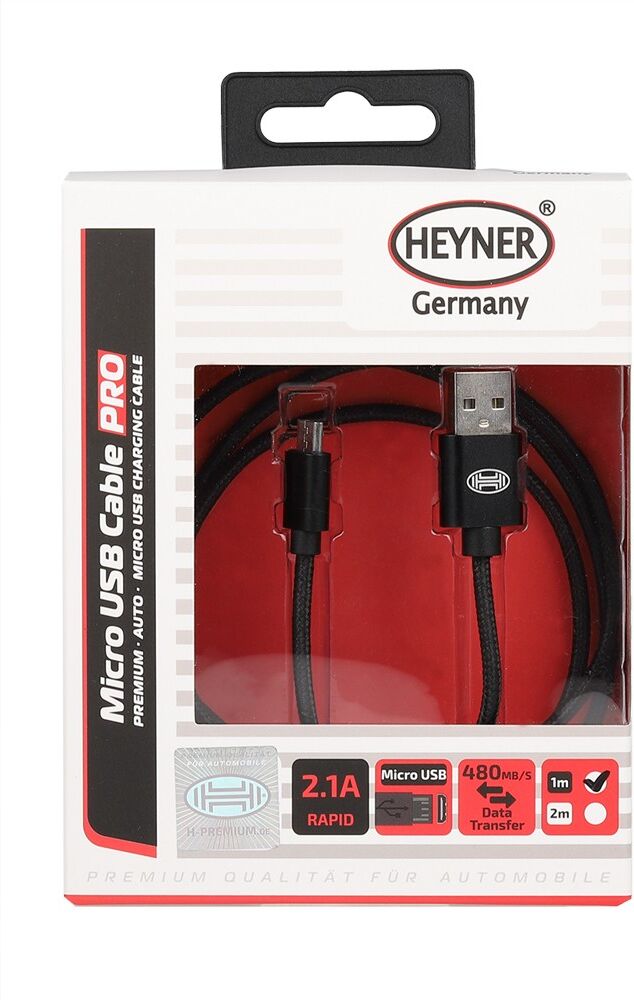

-
Is the physiotherapy training free of charge?
No, physiotherapy training is not typically free of charge. It usually requires payment of tuition fees to attend a physiotherapy program at a university or college. Additionally, there may be additional costs for textbooks, equipment, and other materials required for the training. However, there may be financial aid options, scholarships, or grants available to help offset the cost of physiotherapy training for eligible students. **
-
How do I charge the Samsung Gear S3 on the S10?
To charge the Samsung Gear S3 on the S10, you will need to use the wireless PowerShare feature on the S10. First, make sure the PowerShare feature is enabled on your S10 by swiping down from the top of the screen to access the quick settings panel and tapping on the Wireless PowerShare icon. Then, place the back of the Gear S3 onto the back of the S10, making sure the devices are aligned properly. The Gear S3 should start charging wirelessly from the S10. **
-
Are charge carriers and charge the same thing?
Charge carriers and charge are not the same thing. Charge refers to the property of matter that causes it to experience a force when placed in an electromagnetic field, while charge carriers are the particles that carry electric charge, such as electrons in a conductor or ions in an electrolyte. Charge carriers can be positive or negative, while charge itself is a fundamental property of matter. In summary, charge carriers are the particles that carry charge, while charge is the property itself. **
-
How do you charge the JBL Charge 4?
The JBL Charge 4 can be charged using the included USB-C cable and a compatible power source such as a wall adapter or a computer. Simply plug the USB-C cable into the charging port on the speaker and the other end into the power source. The speaker's LED indicator will show the charging status, and it typically takes about 4 hours to fully charge the JBL Charge 4. Once fully charged, the speaker can provide up to 20 hours of playtime. **
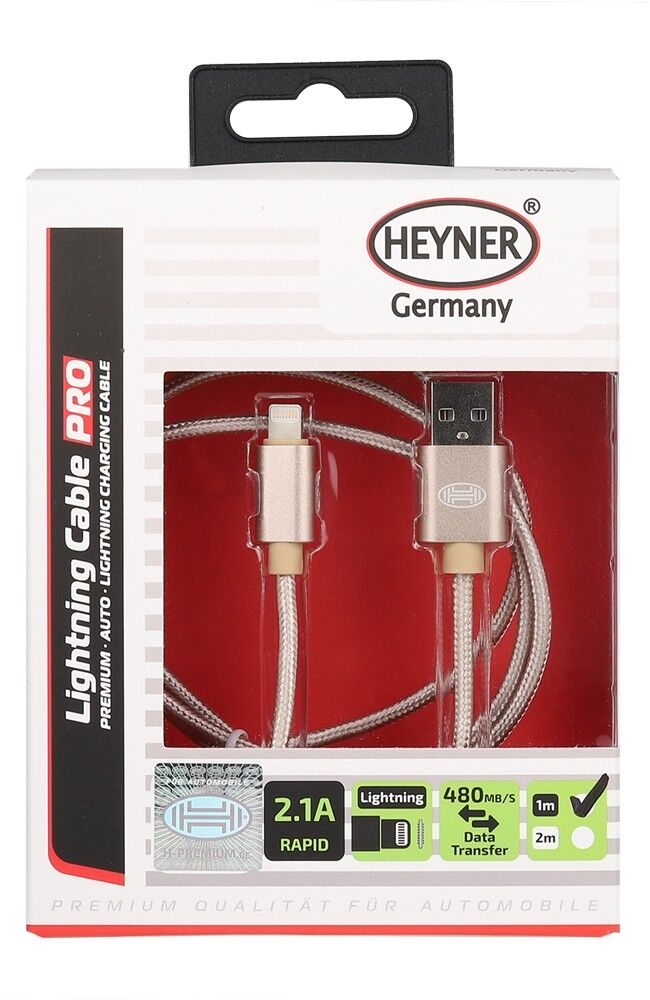
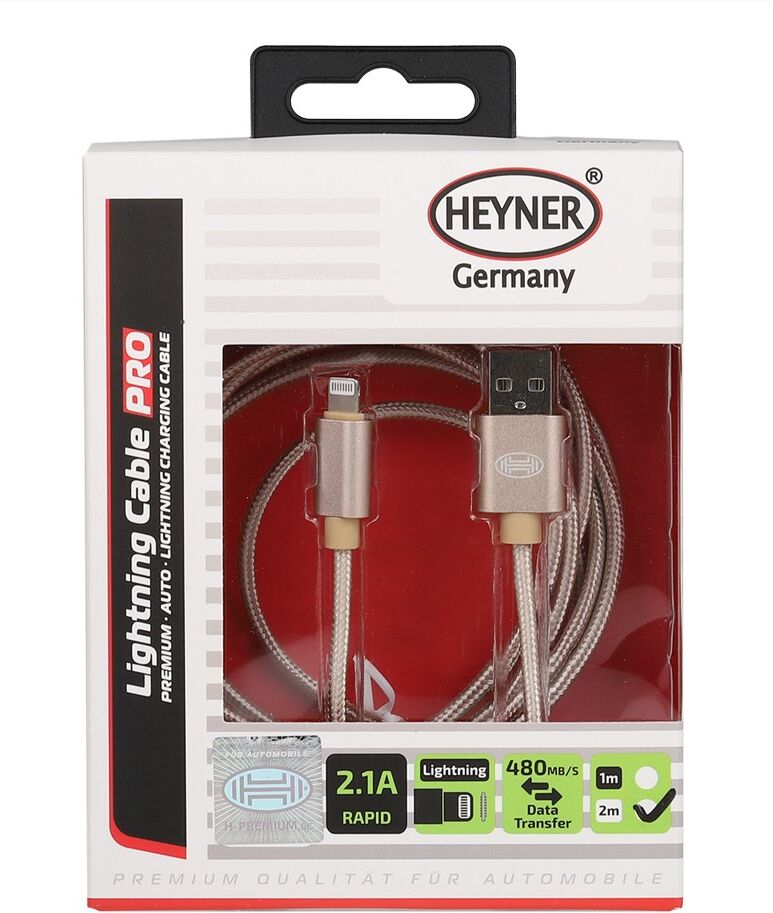
Does the iPad charge or does it not charge?
Yes, the iPad does charge. When connected to a power source using the appropriate charging cable, the iPad will begin to charge its battery. The charging process can take several hours to reach a full charge, depending on the model of the iPad and the power source being used. **
How is the charge balance achieved by charge carriers?
Charge balance is achieved by charge carriers through the movement of positive and negative charges. In a material, when an excess of positive charge carriers (holes) is present, they can move to areas with an excess of negative charge carriers (electrons) to neutralize the charge imbalance. Similarly, when there is an excess of negative charge carriers, they can move to areas with an excess of positive charge carriers to achieve charge balance. This movement of charge carriers helps to maintain overall charge neutrality in a material. **
Top-Angebote
Products related to Charge:
-
Everyday Crate Mijobs Magnetic Fitbit Charge 6 Band Stainless Steel Metal Watch Band For Fitbit Charge 5 Charge 6 goldExperience a premium upgrade that blends comfort with timeless style. This Fitbit Charge 6 band is crafted from durable stainless steel watch band material, giving your fitness tracker a refined look for work, travel, or everyday wear. The magnetic...34,97 $*Shipping: 0,00 $Secure redirect to the provider
-
How long should one charge the Samsung Gear S3?
The Samsung Gear S3 typically takes about 2-3 hours to fully charge from 0% to 100%. It is recommended to charge the device until it reaches 100% to ensure optimal battery performance. Overcharging the device can potentially decrease the battery's lifespan, so it is best to unplug the charger once the device is fully charged. It is also advisable to use the original charger and cable provided by Samsung for the best charging results. **
-
How long should one charge the Samsung Gear S3 for?
The Samsung Gear S3 typically takes about 2-3 hours to fully charge from 0% to 100%. It is recommended to charge the device until it reaches 100% to ensure optimal battery performance. Overcharging the device can potentially reduce the battery's lifespan, so it is best to unplug it once it is fully charged. **
-
Is the physiotherapy training free of charge?
No, physiotherapy training is not typically free of charge. It usually requires payment of tuition fees to attend a physiotherapy program at a university or college. Additionally, there may be additional costs for textbooks, equipment, and other materials required for the training. However, there may be financial aid options, scholarships, or grants available to help offset the cost of physiotherapy training for eligible students. **
-
How do I charge the Samsung Gear S3 on the S10?
To charge the Samsung Gear S3 on the S10, you will need to use the wireless PowerShare feature on the S10. First, make sure the PowerShare feature is enabled on your S10 by swiping down from the top of the screen to access the quick settings panel and tapping on the Wireless PowerShare icon. Then, place the back of the Gear S3 onto the back of the S10, making sure the devices are aligned properly. The Gear S3 should start charging wirelessly from the S10. **
Similar search terms for Charge
-
Are charge carriers and charge the same thing?
Charge carriers and charge are not the same thing. Charge refers to the property of matter that causes it to experience a force when placed in an electromagnetic field, while charge carriers are the particles that carry electric charge, such as electrons in a conductor or ions in an electrolyte. Charge carriers can be positive or negative, while charge itself is a fundamental property of matter. In summary, charge carriers are the particles that carry charge, while charge is the property itself. **
-
How do you charge the JBL Charge 4?
The JBL Charge 4 can be charged using the included USB-C cable and a compatible power source such as a wall adapter or a computer. Simply plug the USB-C cable into the charging port on the speaker and the other end into the power source. The speaker's LED indicator will show the charging status, and it typically takes about 4 hours to fully charge the JBL Charge 4. Once fully charged, the speaker can provide up to 20 hours of playtime. **
-
Does the iPad charge or does it not charge?
Yes, the iPad does charge. When connected to a power source using the appropriate charging cable, the iPad will begin to charge its battery. The charging process can take several hours to reach a full charge, depending on the model of the iPad and the power source being used. **
-
How is the charge balance achieved by charge carriers?
Charge balance is achieved by charge carriers through the movement of positive and negative charges. In a material, when an excess of positive charge carriers (holes) is present, they can move to areas with an excess of negative charge carriers (electrons) to neutralize the charge imbalance. Similarly, when there is an excess of negative charge carriers, they can move to areas with an excess of positive charge carriers to achieve charge balance. This movement of charge carriers helps to maintain overall charge neutrality in a material. **
* All prices are inclusive of VAT and, if applicable, plus shipping costs. The offer information is based on the details provided by the respective shop and is updated through automated processes. Real-time updates do not occur, so deviations can occur in individual cases. ** Note: Parts of this content were created by AI.