Buy swimrun.eu ?
We are moving the project
swimrun.eu .
Are you interested in purchasing the domain
swimrun.eu ?
domain@kv-gmbh.de · 0541-91531010
Buy swimrun.eu ?
Can I convert a 7-speed gear system to a 21-speed gear system?
No, it is not possible to convert a 7-speed gear system to a 21-speed gear system. The number of speeds in a gear system is determined by the number of sprockets on the rear wheel and the number of chainrings on the front crankset. A 7-speed system has 7 sprockets on the rear wheel and one or two chainrings on the front crankset, while a 21-speed system has 7 sprockets on the rear wheel and 3 chainrings on the front crankset. Therefore, to convert a 7-speed system to a 21-speed system, you would need to replace the entire drivetrain, including the rear wheel, front crankset, shifters, and derailleurs. **
What speed does each gear have?
The speed of each gear in a vehicle depends on the specific gear ratios of the transmission. Generally, first gear has the lowest speed and highest torque, making it ideal for starting from a stop or climbing steep inclines. As you shift up through the gears, the speed increases while the torque decreases. The highest gear, typically fifth or sixth in a manual transmission, allows for the highest speed and lowest engine RPM, making it suitable for cruising at highway speeds. Automatic transmissions also have different gear ratios, but the specific speeds for each gear can vary depending on the make and model of the vehicle. **


Similar search terms for Speed
Top-Angebote
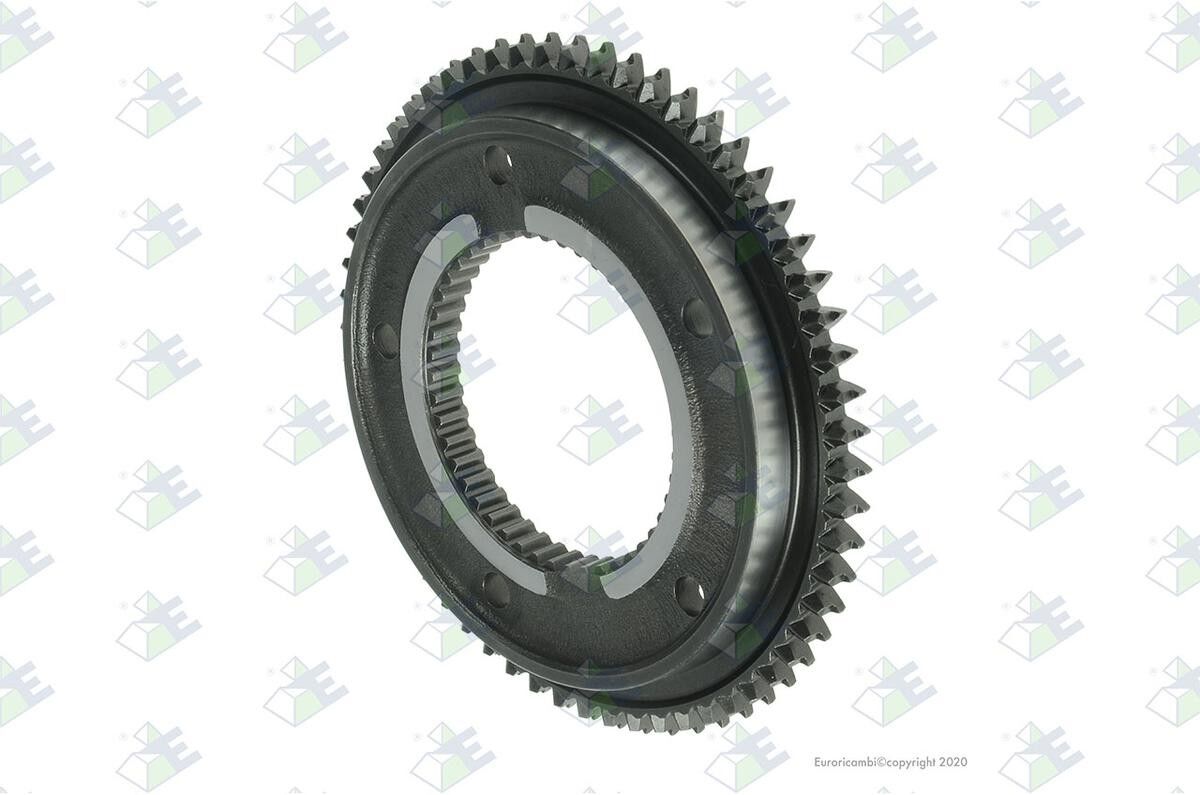
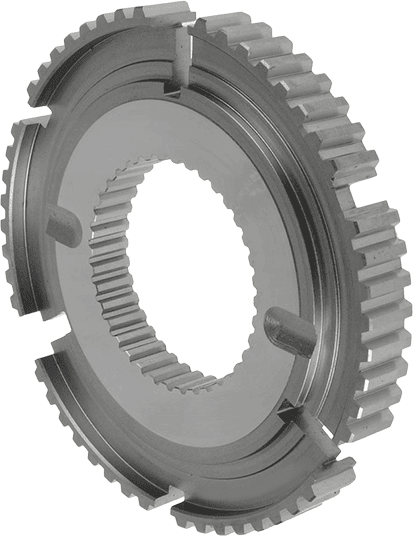
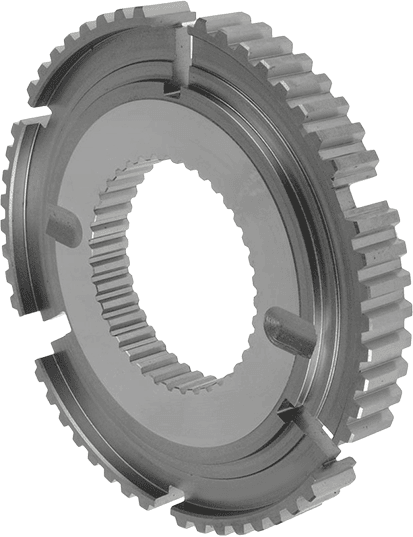
Products related to Speed:

-
What speed in km/h per gear?
The speed in km/h per gear can vary depending on the vehicle's make and model. However, as a general guideline, in most manual transmission cars, the speed in km/h per gear typically increases as you shift up. For example, in first gear, you might reach speeds up to 30 km/h, while in second gear, you could go up to 60 km/h, and so on. It's important to consult your vehicle's manual for specific information on the speed range for each gear. **
-
How are gear and engine speed related?
Gear and engine speed are related in that the gear ratio determines how the engine speed translates into the speed of the vehicle's wheels. In lower gears, the engine speed is higher relative to the vehicle speed, providing more power for acceleration. In higher gears, the engine speed is lower relative to the vehicle speed, allowing for more efficient cruising at higher speeds. The gear selection affects how the engine's power is utilized to propel the vehicle. **
-
As a downhill enthusiast, can I replace a 7-speed gear system with a 10-speed gear system?
Yes, you can replace a 7-speed gear system with a 10-speed gear system, but it will require some additional changes. You will need to replace the shifters, cassette, chain, and possibly the rear derailleur to accommodate the 10-speed system. Additionally, you may need to adjust the spacing of the rear wheel to ensure proper alignment with the new cassette. It's important to consult with a professional bike mechanic to ensure that all the necessary components are compatible and properly installed for optimal performance. **
-
Is a 3-speed bicycle gear still repairable?
Yes, a 3-speed bicycle gear is still repairable. Most issues with the gears can be fixed by adjusting the cable tension, replacing worn-out components like cables or shifters, or cleaning and lubricating the gears. If there are more serious issues, such as damaged internal components, a professional bike mechanic may be needed to repair or replace the gears. Overall, with proper maintenance and care, a 3-speed bicycle gear can be repaired and kept in good working condition. **

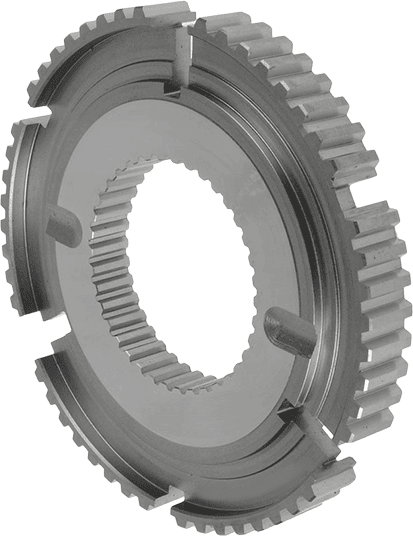
What is the speed of the gear motor?
The speed of a gear motor can vary depending on the specific model and design. Gear motors are designed to provide a specific output speed based on the gear ratio and motor speed. The speed of a gear motor is typically measured in revolutions per minute (RPM) and can range from a few hundred RPM to several thousand RPM, depending on the application and requirements. It is important to consult the specifications provided by the manufacturer to determine the exact speed of a specific gear motor. **
At what speed should which gear be used?
The speed at which each gear should be used depends on the specific vehicle and its transmission. In general, first gear is used for speeds up to around 15 mph, second gear for speeds up to around 30 mph, third gear for speeds up to around 45 mph, and so on. However, it's important to consult the owner's manual for the specific vehicle to determine the recommended speeds for each gear. Additionally, it's important to consider the load and road conditions when determining which gear to use. **
Top-Angebote
Products related to Speed:
-
All Categories Goods AC Gear Motor With Adjustable Speed Controller & Variable Speed Gear Motor AC Gear Motor With Adjustable Speed Controller & Variable Speed Gear MotorUnlock smooth, precise motion for your workshop and DIY projects with this versatile 110V AC gear motor featuring an adjustable speed controller. Designed for makers, hobbyists, and professional builders alike, this gear motor delivers reliable...169,97 $*Shipping: 0,00 $Secure redirect to the provider
-
Can I convert a 7-speed gear system to a 21-speed gear system?
No, it is not possible to convert a 7-speed gear system to a 21-speed gear system. The number of speeds in a gear system is determined by the number of sprockets on the rear wheel and the number of chainrings on the front crankset. A 7-speed system has 7 sprockets on the rear wheel and one or two chainrings on the front crankset, while a 21-speed system has 7 sprockets on the rear wheel and 3 chainrings on the front crankset. Therefore, to convert a 7-speed system to a 21-speed system, you would need to replace the entire drivetrain, including the rear wheel, front crankset, shifters, and derailleurs. **
-
What speed does each gear have?
The speed of each gear in a vehicle depends on the specific gear ratios of the transmission. Generally, first gear has the lowest speed and highest torque, making it ideal for starting from a stop or climbing steep inclines. As you shift up through the gears, the speed increases while the torque decreases. The highest gear, typically fifth or sixth in a manual transmission, allows for the highest speed and lowest engine RPM, making it suitable for cruising at highway speeds. Automatic transmissions also have different gear ratios, but the specific speeds for each gear can vary depending on the make and model of the vehicle. **
-
What speed in km/h per gear?
The speed in km/h per gear can vary depending on the vehicle's make and model. However, as a general guideline, in most manual transmission cars, the speed in km/h per gear typically increases as you shift up. For example, in first gear, you might reach speeds up to 30 km/h, while in second gear, you could go up to 60 km/h, and so on. It's important to consult your vehicle's manual for specific information on the speed range for each gear. **
-
How are gear and engine speed related?
Gear and engine speed are related in that the gear ratio determines how the engine speed translates into the speed of the vehicle's wheels. In lower gears, the engine speed is higher relative to the vehicle speed, providing more power for acceleration. In higher gears, the engine speed is lower relative to the vehicle speed, allowing for more efficient cruising at higher speeds. The gear selection affects how the engine's power is utilized to propel the vehicle. **
Similar search terms for Speed
-
As a downhill enthusiast, can I replace a 7-speed gear system with a 10-speed gear system?
Yes, you can replace a 7-speed gear system with a 10-speed gear system, but it will require some additional changes. You will need to replace the shifters, cassette, chain, and possibly the rear derailleur to accommodate the 10-speed system. Additionally, you may need to adjust the spacing of the rear wheel to ensure proper alignment with the new cassette. It's important to consult with a professional bike mechanic to ensure that all the necessary components are compatible and properly installed for optimal performance. **
-
Is a 3-speed bicycle gear still repairable?
Yes, a 3-speed bicycle gear is still repairable. Most issues with the gears can be fixed by adjusting the cable tension, replacing worn-out components like cables or shifters, or cleaning and lubricating the gears. If there are more serious issues, such as damaged internal components, a professional bike mechanic may be needed to repair or replace the gears. Overall, with proper maintenance and care, a 3-speed bicycle gear can be repaired and kept in good working condition. **
-
What is the speed of the gear motor?
The speed of a gear motor can vary depending on the specific model and design. Gear motors are designed to provide a specific output speed based on the gear ratio and motor speed. The speed of a gear motor is typically measured in revolutions per minute (RPM) and can range from a few hundred RPM to several thousand RPM, depending on the application and requirements. It is important to consult the specifications provided by the manufacturer to determine the exact speed of a specific gear motor. **
-
At what speed should which gear be used?
The speed at which each gear should be used depends on the specific vehicle and its transmission. In general, first gear is used for speeds up to around 15 mph, second gear for speeds up to around 30 mph, third gear for speeds up to around 45 mph, and so on. However, it's important to consult the owner's manual for the specific vehicle to determine the recommended speeds for each gear. Additionally, it's important to consider the load and road conditions when determining which gear to use. **
* All prices are inclusive of VAT and, if applicable, plus shipping costs. The offer information is based on the details provided by the respective shop and is updated through automated processes. Real-time updates do not occur, so deviations can occur in individual cases. ** Note: Parts of this content were created by AI.