Buy swimrun.eu ?
We are moving the project
swimrun.eu .
Are you interested in purchasing the domain
swimrun.eu ?
domain@kv-gmbh.de · 0541-91531010
Buy swimrun.eu ?
How do non-homologous recombination and homologous recombination work?
Non-homologous recombination involves the joining of two DNA molecules at non-homologous sequences, resulting in the insertion, deletion, or rearrangement of genetic material. This process is often error-prone and can lead to mutations. Homologous recombination, on the other hand, involves the exchange of genetic material between two similar DNA molecules, typically occurring during meiosis. This process is important for repairing DNA damage and ensuring genetic diversity. It involves the exchange of genetic material between homologous chromosomes, resulting in the formation of new combinations of genes. **
What is the difference between interchromosomal recombination and intrachromosomal recombination?
Interchromosomal recombination involves the exchange of genetic material between two different chromosomes, while intrachromosomal recombination involves the exchange of genetic material within the same chromosome. Interchromosomal recombination can result in the creation of new combinations of genes from different chromosomes, leading to genetic diversity. In contrast, intrachromosomal recombination can lead to the repair of DNA damage or the creation of genetic variation within the same chromosome. Both processes are important for genetic diversity and evolution. **

Similar search terms for Recombination
Top-Angebote
Products related to Recombination:
-
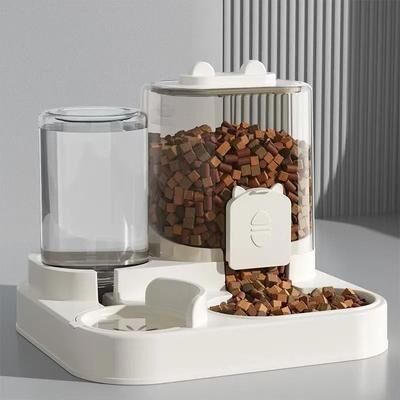
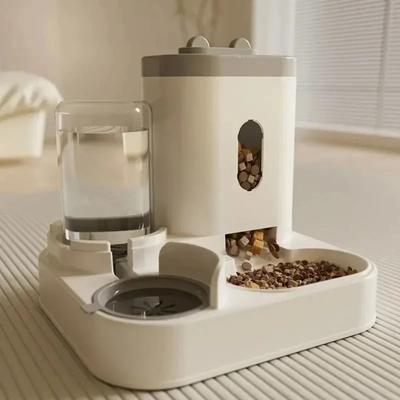
Uplifted Goods Gravity Driven Dual Pet Hydration And Nutrition System 10.63x9.06x10.63 In pinkStreamline your pets daily maintenance with the Gravity Driven Dual Pet Hydration and Nutrition System. This professional grade utility solution is developed with a specialized Integrated Siphon and Hopper Matrix designed to provide a definitive,...59,97 $*Shipping: 0,00 $Secure redirect to the provider
-
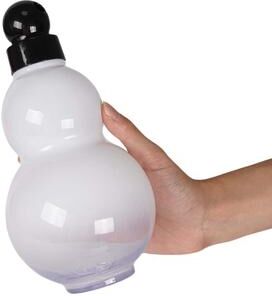
Lush Living Finds Adventure Go Sports Water Bottle With Carry Strap For Hiking, Camping & Daily Hydration whiteStay refreshed wherever life takes you with a bottle designed for people who are always on the move. This 1 pc of hiking water bottle combines a unique gourdshaped design with a generous 950ML capacity, helping you stay hydrated during outdoor...43,97 $*Shipping: 0,00 $Secure redirect to the provider
-
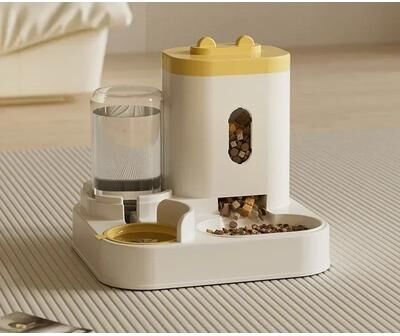
Uplifted Goods Gravity Driven Dual Pet Hydration And Nutrition System 10.63x9.06x10.63 In whiteStreamline your pets daily maintenance with the Gravity Driven Dual Pet Hydration and Nutrition System. This professional grade utility solution is developed with a specialized Integrated Siphon and Hopper Matrix designed to provide a definitive,...59,97 $*Shipping: 0,00 $Secure redirect to the provider
-
Uplifted Goods Gravity Driven Dual Pet Hydration And Nutrition System 10.63x9.06x10.63 In greyStreamline your pets daily maintenance with the Gravity Driven Dual Pet Hydration and Nutrition System. This professional grade utility solution is developed with a specialized Integrated Siphon and Hopper Matrix designed to provide a definitive,...59,97 $*Shipping: 0,00 $Secure redirect to the provider

-
What is the difference between intrachromosomal recombination and interchromosomal recombination?
Intrachromosomal recombination occurs between two different regions of the same chromosome, leading to the exchange of genetic material within the same chromosome. On the other hand, interchromosomal recombination involves the exchange of genetic material between two different chromosomes. Intrachromosomal recombination can lead to the creation of genetic diversity within a single chromosome, while interchromosomal recombination can result in the exchange of genetic material between different chromosomes, leading to genetic diversity among different chromosomes. **
-
What is recombination in biology?
Recombination in biology refers to the process by which genetic material from two different sources is combined to produce a new combination of genes. This can occur through sexual reproduction, where genetic material from two parents is combined to create offspring with a unique genetic makeup. Recombination plays a crucial role in generating genetic diversity within populations, which is important for evolution and adaptation to changing environments. In organisms that reproduce sexually, recombination occurs during meiosis, where homologous chromosomes exchange genetic material through a process called crossing over. **
-
How does crossing-over influence recombination?
Crossing-over is a process during meiosis where homologous chromosomes exchange genetic material. This exchange of genetic material results in new combinations of alleles on the chromosomes, leading to genetic recombination. By shuffling genetic material between homologous chromosomes, crossing-over increases genetic diversity in offspring and can result in the creation of new combinations of traits. This process is essential for generating genetic variation within a population and plays a crucial role in evolution. **
-
What is recombination and genetic variability?
Recombination is the process by which genetic material is exchanged between two similar molecules of DNA, resulting in new combinations of genes. This process occurs during meiosis, the cell division that produces gametes (sperm and egg cells). Genetic variability refers to the diversity of genetic material within a population, which is influenced by factors such as recombination, mutations, and gene flow. Recombination plays a key role in generating genetic variability by creating new combinations of genes, which can lead to increased diversity and adaptation within a population. **
How many offspring are produced through recombination?
Recombination typically results in two offspring being produced. This is because during recombination, genetic material from two parent organisms is combined to create a new individual with a unique combination of traits. This process allows for genetic diversity and variation within a population. **
When does disproportionation occur instead of recombination?
Disproportionation occurs when a single species is both oxidized and reduced in a reaction, leading to the formation of two different products with different oxidation states. This process typically occurs when the species involved can exist in multiple oxidation states and there is no suitable reactant available for recombination. In contrast, recombination occurs when two species with different oxidation states combine to form a single product with an intermediate oxidation state. **
Top-Angebote
Products related to Recombination:
-
Natura Siberica Nutrition and Hydration Shampoo for Dry Hair 400 mlHealth and Beauty Shampoos Natura Siberica Nutrition and Hydration Shampoo for Dry Hair 400 ml This shampoo, based on organic daurian rose hydrolate, deeply moisturizes hair, lifts it, and leaves it with natural volume. Organic Daurian rose protects hair from moisture loss and gives it radiant shine while gently and long-lastingly protecting and caring for it. Rich in amino acids, wild-harvested Siberian dwarf pine deeply and gently cleanses the scalp, strengthens and repairs damaged hair, and protects it from environmental damage. How to use: Apply the shampoo to damp hair, massage until a lather forms, and rinse thoroughly with warm water. Repeat the process if necessary.7,51 £*Shipping: 3,99 £Secure redirect to the provider
-
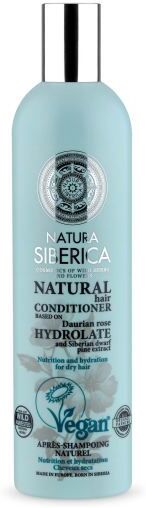
Natura Siberica Hair Balm for Dry Hair Nutrition and Hydration 400Health and Beauty Hair conditioners Natura Siberica Hair Balm for Dry Hair Nutrition and Hydration 400 This balm deeply nourishes and protects hair from moisture loss to protect it from environmental damage. This balm, based on organic rose daurica hydrosol, deeply hydrates and lifts hair for natural volume. Organic dauric rose protects hair from moisture loss and gives it a radiant shine while protecting and caring for it delicately and long-lastingly. Rich in amino acids, wild-harvested Siberian Dwarf Pine gently strengthens and repairs damaged hair while protecting it from environmental damage. How to use: Apply the balm to damp hair after shampooing, distributing it evenly over the entire length of the hair. Leave on for 2-3 minutes and rinse.7,43 £*Shipping: 3,99 £Secure redirect to the provider
-
Uplifted Goods Gravity Driven Dual Pet Hydration And Nutrition System 10.63x9.06x10.63 In pinkStreamline your pets daily maintenance with the Gravity Driven Dual Pet Hydration and Nutrition System. This professional grade utility solution is developed with a specialized Integrated Siphon and Hopper Matrix designed to provide a definitive,...59,97 $*Shipping: 0,00 $Secure redirect to the provider
-
Lush Living Finds Adventure Go Sports Water Bottle With Carry Strap For Hiking, Camping & Daily Hydration whiteStay refreshed wherever life takes you with a bottle designed for people who are always on the move. This 1 pc of hiking water bottle combines a unique gourdshaped design with a generous 950ML capacity, helping you stay hydrated during outdoor...43,97 $*Shipping: 0,00 $Secure redirect to the provider
-
How do non-homologous recombination and homologous recombination work?
Non-homologous recombination involves the joining of two DNA molecules at non-homologous sequences, resulting in the insertion, deletion, or rearrangement of genetic material. This process is often error-prone and can lead to mutations. Homologous recombination, on the other hand, involves the exchange of genetic material between two similar DNA molecules, typically occurring during meiosis. This process is important for repairing DNA damage and ensuring genetic diversity. It involves the exchange of genetic material between homologous chromosomes, resulting in the formation of new combinations of genes. **
-
What is the difference between interchromosomal recombination and intrachromosomal recombination?
Interchromosomal recombination involves the exchange of genetic material between two different chromosomes, while intrachromosomal recombination involves the exchange of genetic material within the same chromosome. Interchromosomal recombination can result in the creation of new combinations of genes from different chromosomes, leading to genetic diversity. In contrast, intrachromosomal recombination can lead to the repair of DNA damage or the creation of genetic variation within the same chromosome. Both processes are important for genetic diversity and evolution. **
-
What is the difference between intrachromosomal recombination and interchromosomal recombination?
Intrachromosomal recombination occurs between two different regions of the same chromosome, leading to the exchange of genetic material within the same chromosome. On the other hand, interchromosomal recombination involves the exchange of genetic material between two different chromosomes. Intrachromosomal recombination can lead to the creation of genetic diversity within a single chromosome, while interchromosomal recombination can result in the exchange of genetic material between different chromosomes, leading to genetic diversity among different chromosomes. **
-
What is recombination in biology?
Recombination in biology refers to the process by which genetic material from two different sources is combined to produce a new combination of genes. This can occur through sexual reproduction, where genetic material from two parents is combined to create offspring with a unique genetic makeup. Recombination plays a crucial role in generating genetic diversity within populations, which is important for evolution and adaptation to changing environments. In organisms that reproduce sexually, recombination occurs during meiosis, where homologous chromosomes exchange genetic material through a process called crossing over. **
Similar search terms for Recombination
-
Uplifted Goods Gravity Driven Dual Pet Hydration And Nutrition System 10.63x9.06x10.63 In whiteStreamline your pets daily maintenance with the Gravity Driven Dual Pet Hydration and Nutrition System. This professional grade utility solution is developed with a specialized Integrated Siphon and Hopper Matrix designed to provide a definitive,...59,97 $*Shipping: 0,00 $Secure redirect to the provider
-
Uplifted Goods Gravity Driven Dual Pet Hydration And Nutrition System 10.63x9.06x10.63 In greyStreamline your pets daily maintenance with the Gravity Driven Dual Pet Hydration and Nutrition System. This professional grade utility solution is developed with a specialized Integrated Siphon and Hopper Matrix designed to provide a definitive,...59,97 $*Shipping: 0,00 $Secure redirect to the provider
-
Uplifted Goods Gravity Driven Dual Pet Hydration And Nutrition System 10.63x9.06x10.63 In goldStreamline your pets daily maintenance with the Gravity Driven Dual Pet Hydration and Nutrition System. This professional grade utility solution is developed with a specialized Integrated Siphon and Hopper Matrix designed to provide a definitive,...59,97 $*Shipping: 0,00 $Secure redirect to the provider
-
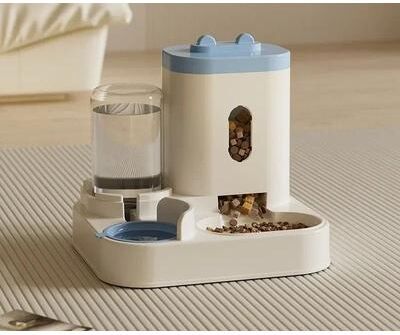
Uplifted Goods Gravity Driven Dual Pet Hydration And Nutrition System 10.63x9.06x10.63 In blueStreamline your pets daily maintenance with the Gravity Driven Dual Pet Hydration and Nutrition System. This professional grade utility solution is developed with a specialized Integrated Siphon and Hopper Matrix designed to provide a definitive,...59,97 $*Shipping: 0,00 $Secure redirect to the provider
-
How does crossing-over influence recombination?
Crossing-over is a process during meiosis where homologous chromosomes exchange genetic material. This exchange of genetic material results in new combinations of alleles on the chromosomes, leading to genetic recombination. By shuffling genetic material between homologous chromosomes, crossing-over increases genetic diversity in offspring and can result in the creation of new combinations of traits. This process is essential for generating genetic variation within a population and plays a crucial role in evolution. **
-
What is recombination and genetic variability?
Recombination is the process by which genetic material is exchanged between two similar molecules of DNA, resulting in new combinations of genes. This process occurs during meiosis, the cell division that produces gametes (sperm and egg cells). Genetic variability refers to the diversity of genetic material within a population, which is influenced by factors such as recombination, mutations, and gene flow. Recombination plays a key role in generating genetic variability by creating new combinations of genes, which can lead to increased diversity and adaptation within a population. **
-
How many offspring are produced through recombination?
Recombination typically results in two offspring being produced. This is because during recombination, genetic material from two parent organisms is combined to create a new individual with a unique combination of traits. This process allows for genetic diversity and variation within a population. **
-
When does disproportionation occur instead of recombination?
Disproportionation occurs when a single species is both oxidized and reduced in a reaction, leading to the formation of two different products with different oxidation states. This process typically occurs when the species involved can exist in multiple oxidation states and there is no suitable reactant available for recombination. In contrast, recombination occurs when two species with different oxidation states combine to form a single product with an intermediate oxidation state. **
* All prices are inclusive of VAT and, if applicable, plus shipping costs. The offer information is based on the details provided by the respective shop and is updated through automated processes. Real-time updates do not occur, so deviations can occur in individual cases. ** Note: Parts of this content were created by AI.