Buy swimrun.eu ?
We are moving the project
swimrun.eu .
Are you interested in purchasing the domain
swimrun.eu ?
domain@kv-gmbh.de · 0541-91531010
Buy swimrun.eu ?
What are trophic levels and trophic structures?
Trophic levels refer to the hierarchical levels in an ecosystem through which energy and nutrients flow. They represent the feeding positions of different organisms in a food chain or food web. Trophic structures, on the other hand, describe the organization of these trophic levels within an ecosystem. This includes the distribution of energy and nutrients among different organisms, as well as the interactions and relationships between them. Overall, trophic levels and trophic structures are important concepts for understanding the flow of energy and nutrients in ecosystems and the dynamics of food chains and food webs. **
Are trophic levels and trophic levels the same in biology?
No, trophic levels and trophic levels are not the same in biology. Trophic levels refer to the hierarchical levels in an ecosystem based on an organism's position in the food chain, such as producers, primary consumers, secondary consumers, etc. On the other hand, trophic cascades are the indirect effects that occur when a change in one trophic level impacts other trophic levels in the ecosystem. Both concepts are important in understanding the dynamics of energy flow and interactions within ecosystems. **

Similar search terms for Trophic
Top-Angebote
Products related to Trophic:
-
Uplifted Goods Gravity Driven Dual Pet Hydration And Nutrition System 10.63x9.06x10.63 In pinkStreamline your pets daily maintenance with the Gravity Driven Dual Pet Hydration and Nutrition System. This professional grade utility solution is developed with a specialized Integrated Siphon and Hopper Matrix designed to provide a definitive,...59,97 $*Shipping: 0,00 $Secure redirect to the provider
-
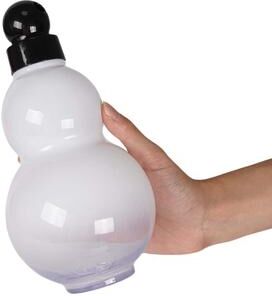
Lush Living Finds Adventure Go Sports Water Bottle With Carry Strap For Hiking, Camping & Daily Hydration whiteStay refreshed wherever life takes you with a bottle designed for people who are always on the move. This 1 pc of hiking water bottle combines a unique gourdshaped design with a generous 950ML capacity, helping you stay hydrated during outdoor...43,97 $*Shipping: 0,00 $Secure redirect to the provider
-
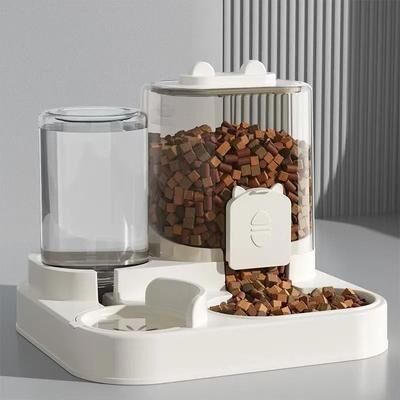
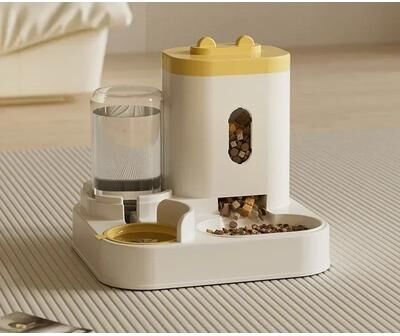
Uplifted Goods Gravity Driven Dual Pet Hydration And Nutrition System 10.63x9.06x10.63 In whiteStreamline your pets daily maintenance with the Gravity Driven Dual Pet Hydration and Nutrition System. This professional grade utility solution is developed with a specialized Integrated Siphon and Hopper Matrix designed to provide a definitive,...59,97 $*Shipping: 0,00 $Secure redirect to the provider
-
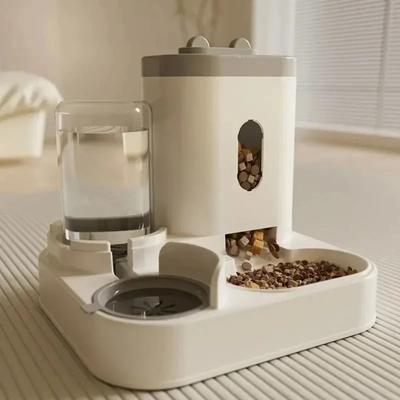
Uplifted Goods Gravity Driven Dual Pet Hydration And Nutrition System 10.63x9.06x10.63 In greyStreamline your pets daily maintenance with the Gravity Driven Dual Pet Hydration and Nutrition System. This professional grade utility solution is developed with a specialized Integrated Siphon and Hopper Matrix designed to provide a definitive,...59,97 $*Shipping: 0,00 $Secure redirect to the provider

-
Are trophic levels and trophic levels the same thing in biology?
No, "trophic levels" and "trophic levels" are not the same thing in biology. "Trophic levels" refer to the hierarchical levels in an ecosystem based on an organism's position in the food chain, such as producers, primary consumers, secondary consumers, and so on. On the other hand, "trophic levels" appears to be a typographical error or a repetition of the term "trophic levels." In biology, it is important to use accurate and specific terminology to avoid confusion and miscommunication. **
-
Why do organisms become larger from trophic level to trophic level?
Organisms become larger from trophic level to trophic level due to the efficiency of energy transfer in ecosystems. As energy is transferred from one trophic level to the next, there is a loss of energy in the form of heat and metabolic processes. Larger organisms are able to consume more energy-rich food sources and have a more efficient metabolism, allowing them to grow in size as they move up the food chain. Additionally, larger organisms are better equipped to capture and consume prey, giving them a competitive advantage in obtaining energy and resources. **
-
Why do organisms get larger from trophic level to trophic level?
Organisms tend to get larger from one trophic level to the next because as energy is transferred up the food chain, there is a loss of energy at each level. This means that organisms at higher trophic levels need to consume larger quantities of organisms from lower trophic levels to obtain enough energy to sustain themselves. Additionally, larger organisms are more efficient at capturing and consuming prey, allowing them to thrive at higher trophic levels. Finally, larger organisms have a lower surface area to volume ratio, which helps them retain heat and energy more effectively. **
-
Why does the biomass decrease from trophic level to trophic level?
Biomass decreases from trophic level to trophic level because energy is lost as it moves through the food chain. Organisms at each trophic level use some of the energy they consume for their own metabolic processes, such as respiration and movement, and the rest is lost as heat. This means that there is less energy available to be passed on to the next trophic level, resulting in a decrease in biomass. Additionally, not all of the energy from one trophic level is consumed by the next level, as some is lost through waste and uneaten parts of organisms. **
What are trophic levels in biology?
Trophic levels in biology refer to the hierarchical levels in an ecosystem where organisms are grouped based on their feeding relationships. The primary producers, such as plants, are at the base of the trophic levels as they convert sunlight into energy through photosynthesis. Herbivores that feed on plants are at the next level, followed by carnivores that eat herbivores. Each trophic level represents a transfer of energy and nutrients through the ecosystem, with energy decreasing as it moves up the levels. **
What is the trophic level of omnivores?
Omnivores are organisms that consume both plants and animals, so their trophic level can vary. When they consume plants, they are considered primary consumers (herbivores) and when they consume animals, they are considered secondary consumers (carnivores). This means that omnivores can occupy multiple trophic levels within a food web, depending on their diet. **
Top-Angebote
Products related to Trophic:
-
Natura Siberica Nutrition and Hydration Shampoo for Dry Hair 400 mlHealth and Beauty Shampoos Natura Siberica Nutrition and Hydration Shampoo for Dry Hair 400 ml This shampoo, based on organic daurian rose hydrolate, deeply moisturizes hair, lifts it, and leaves it with natural volume. Organic Daurian rose protects hair from moisture loss and gives it radiant shine while gently and long-lastingly protecting and caring for it. Rich in amino acids, wild-harvested Siberian dwarf pine deeply and gently cleanses the scalp, strengthens and repairs damaged hair, and protects it from environmental damage. How to use: Apply the shampoo to damp hair, massage until a lather forms, and rinse thoroughly with warm water. Repeat the process if necessary.7,51 £*Shipping: 3,99 £Secure redirect to the provider
-
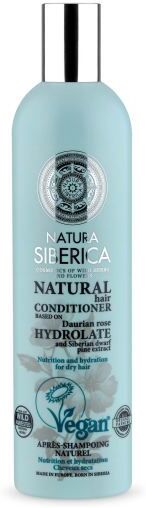
Natura Siberica Hair Balm for Dry Hair Nutrition and Hydration 400Health and Beauty Hair conditioners Natura Siberica Hair Balm for Dry Hair Nutrition and Hydration 400 This balm deeply nourishes and protects hair from moisture loss to protect it from environmental damage. This balm, based on organic rose daurica hydrosol, deeply hydrates and lifts hair for natural volume. Organic dauric rose protects hair from moisture loss and gives it a radiant shine while protecting and caring for it delicately and long-lastingly. Rich in amino acids, wild-harvested Siberian Dwarf Pine gently strengthens and repairs damaged hair while protecting it from environmental damage. How to use: Apply the balm to damp hair after shampooing, distributing it evenly over the entire length of the hair. Leave on for 2-3 minutes and rinse.7,43 £*Shipping: 3,99 £Secure redirect to the provider
-
Uplifted Goods Gravity Driven Dual Pet Hydration And Nutrition System 10.63x9.06x10.63 In pinkStreamline your pets daily maintenance with the Gravity Driven Dual Pet Hydration and Nutrition System. This professional grade utility solution is developed with a specialized Integrated Siphon and Hopper Matrix designed to provide a definitive,...59,97 $*Shipping: 0,00 $Secure redirect to the provider
-
Lush Living Finds Adventure Go Sports Water Bottle With Carry Strap For Hiking, Camping & Daily Hydration whiteStay refreshed wherever life takes you with a bottle designed for people who are always on the move. This 1 pc of hiking water bottle combines a unique gourdshaped design with a generous 950ML capacity, helping you stay hydrated during outdoor...43,97 $*Shipping: 0,00 $Secure redirect to the provider
-
What are trophic levels and trophic structures?
Trophic levels refer to the hierarchical levels in an ecosystem through which energy and nutrients flow. They represent the feeding positions of different organisms in a food chain or food web. Trophic structures, on the other hand, describe the organization of these trophic levels within an ecosystem. This includes the distribution of energy and nutrients among different organisms, as well as the interactions and relationships between them. Overall, trophic levels and trophic structures are important concepts for understanding the flow of energy and nutrients in ecosystems and the dynamics of food chains and food webs. **
-
Are trophic levels and trophic levels the same in biology?
No, trophic levels and trophic levels are not the same in biology. Trophic levels refer to the hierarchical levels in an ecosystem based on an organism's position in the food chain, such as producers, primary consumers, secondary consumers, etc. On the other hand, trophic cascades are the indirect effects that occur when a change in one trophic level impacts other trophic levels in the ecosystem. Both concepts are important in understanding the dynamics of energy flow and interactions within ecosystems. **
-
Are trophic levels and trophic levels the same thing in biology?
No, "trophic levels" and "trophic levels" are not the same thing in biology. "Trophic levels" refer to the hierarchical levels in an ecosystem based on an organism's position in the food chain, such as producers, primary consumers, secondary consumers, and so on. On the other hand, "trophic levels" appears to be a typographical error or a repetition of the term "trophic levels." In biology, it is important to use accurate and specific terminology to avoid confusion and miscommunication. **
-
Why do organisms become larger from trophic level to trophic level?
Organisms become larger from trophic level to trophic level due to the efficiency of energy transfer in ecosystems. As energy is transferred from one trophic level to the next, there is a loss of energy in the form of heat and metabolic processes. Larger organisms are able to consume more energy-rich food sources and have a more efficient metabolism, allowing them to grow in size as they move up the food chain. Additionally, larger organisms are better equipped to capture and consume prey, giving them a competitive advantage in obtaining energy and resources. **
Similar search terms for Trophic
-
Uplifted Goods Gravity Driven Dual Pet Hydration And Nutrition System 10.63x9.06x10.63 In whiteStreamline your pets daily maintenance with the Gravity Driven Dual Pet Hydration and Nutrition System. This professional grade utility solution is developed with a specialized Integrated Siphon and Hopper Matrix designed to provide a definitive,...59,97 $*Shipping: 0,00 $Secure redirect to the provider
-
Uplifted Goods Gravity Driven Dual Pet Hydration And Nutrition System 10.63x9.06x10.63 In greyStreamline your pets daily maintenance with the Gravity Driven Dual Pet Hydration and Nutrition System. This professional grade utility solution is developed with a specialized Integrated Siphon and Hopper Matrix designed to provide a definitive,...59,97 $*Shipping: 0,00 $Secure redirect to the provider
-
Uplifted Goods Gravity Driven Dual Pet Hydration And Nutrition System 10.63x9.06x10.63 In goldStreamline your pets daily maintenance with the Gravity Driven Dual Pet Hydration and Nutrition System. This professional grade utility solution is developed with a specialized Integrated Siphon and Hopper Matrix designed to provide a definitive,...59,97 $*Shipping: 0,00 $Secure redirect to the provider
-
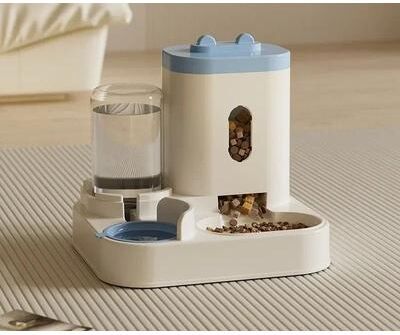
Uplifted Goods Gravity Driven Dual Pet Hydration And Nutrition System 10.63x9.06x10.63 In blueStreamline your pets daily maintenance with the Gravity Driven Dual Pet Hydration and Nutrition System. This professional grade utility solution is developed with a specialized Integrated Siphon and Hopper Matrix designed to provide a definitive,...59,97 $*Shipping: 0,00 $Secure redirect to the provider
-
Why do organisms get larger from trophic level to trophic level?
Organisms tend to get larger from one trophic level to the next because as energy is transferred up the food chain, there is a loss of energy at each level. This means that organisms at higher trophic levels need to consume larger quantities of organisms from lower trophic levels to obtain enough energy to sustain themselves. Additionally, larger organisms are more efficient at capturing and consuming prey, allowing them to thrive at higher trophic levels. Finally, larger organisms have a lower surface area to volume ratio, which helps them retain heat and energy more effectively. **
-
Why does the biomass decrease from trophic level to trophic level?
Biomass decreases from trophic level to trophic level because energy is lost as it moves through the food chain. Organisms at each trophic level use some of the energy they consume for their own metabolic processes, such as respiration and movement, and the rest is lost as heat. This means that there is less energy available to be passed on to the next trophic level, resulting in a decrease in biomass. Additionally, not all of the energy from one trophic level is consumed by the next level, as some is lost through waste and uneaten parts of organisms. **
-
What are trophic levels in biology?
Trophic levels in biology refer to the hierarchical levels in an ecosystem where organisms are grouped based on their feeding relationships. The primary producers, such as plants, are at the base of the trophic levels as they convert sunlight into energy through photosynthesis. Herbivores that feed on plants are at the next level, followed by carnivores that eat herbivores. Each trophic level represents a transfer of energy and nutrients through the ecosystem, with energy decreasing as it moves up the levels. **
-
What is the trophic level of omnivores?
Omnivores are organisms that consume both plants and animals, so their trophic level can vary. When they consume plants, they are considered primary consumers (herbivores) and when they consume animals, they are considered secondary consumers (carnivores). This means that omnivores can occupy multiple trophic levels within a food web, depending on their diet. **
* All prices are inclusive of VAT and, if applicable, plus shipping costs. The offer information is based on the details provided by the respective shop and is updated through automated processes. Real-time updates do not occur, so deviations can occur in individual cases. ** Note: Parts of this content were created by AI.